Embracing the Art of Living
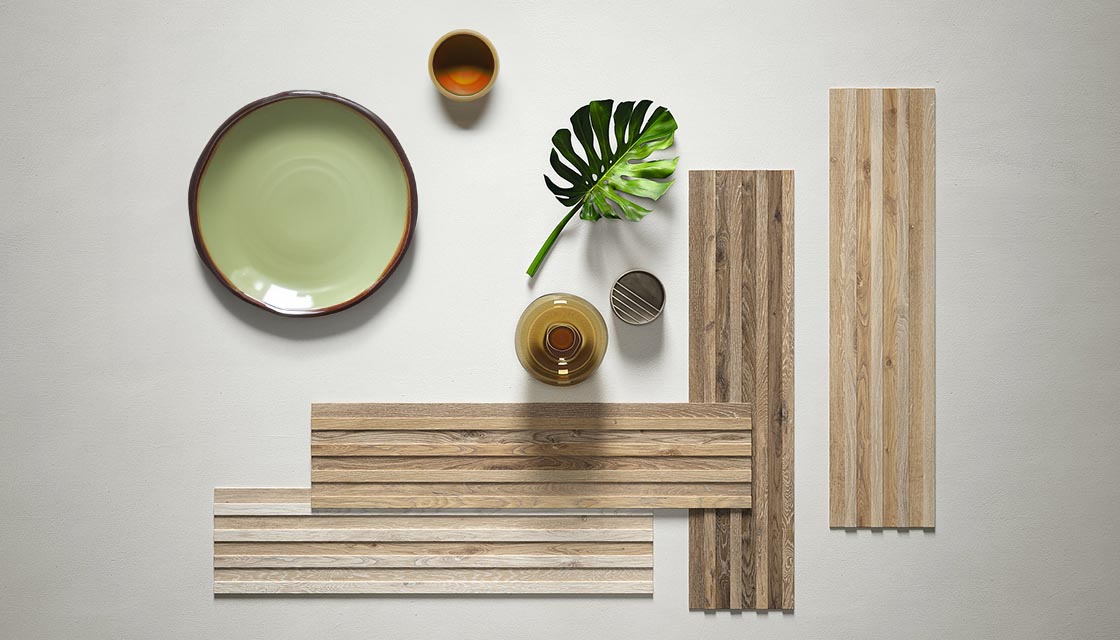
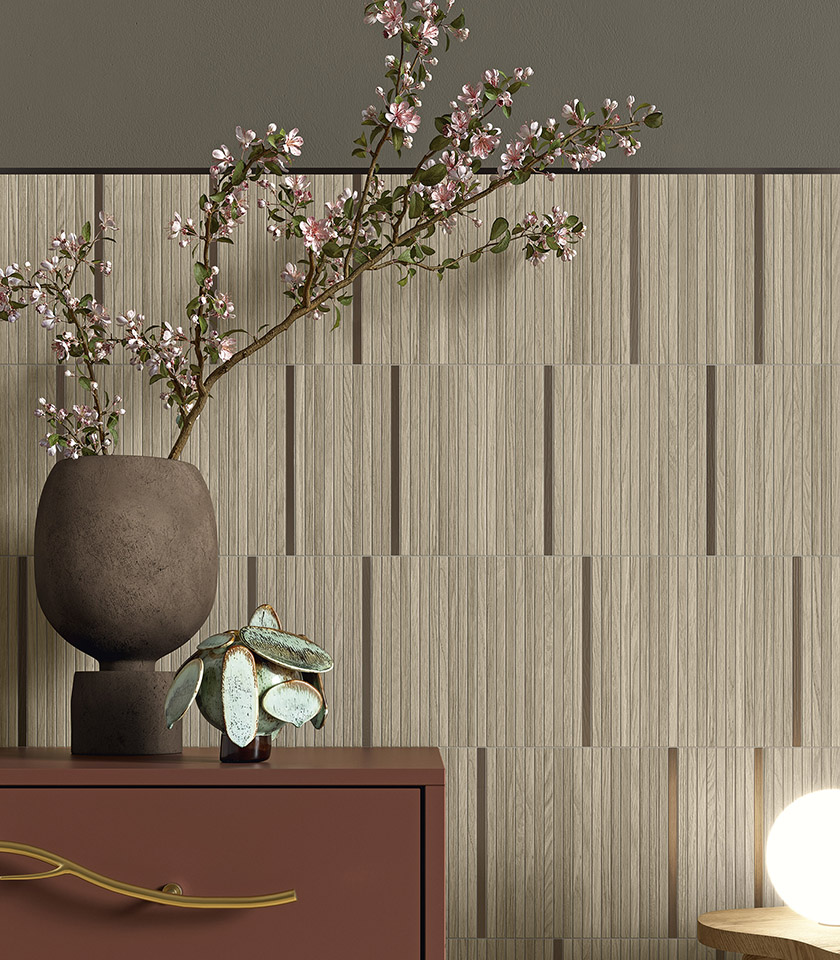
More than just an increasingly influential trend in the world of interior decoration, the Japandi style stands out as a true lifestyle philosophy. Architects and interior designers have embraced this meeting of two approaches to living, Nordic and Japanese, geographically distant yet connected by many shared principles. It is an approach that sees space design as the selection of the most functional solutions for the people who will live there. A space is not furnished simply to fill an empty area, but to meet a need.
But what exactly is Japandi style? First of all, its origins. The name Japandi comes from the blending of the two cultural references behind it: Jap (Japan) and Andi (Scandinavian).
The contemporary starting point of this hybridisation appears to date back to 1950, when Japanese-American sculptor and designer Isamu Noguchi made his first trip to Japan. Fascinated by the traditional weaving techniques used for bamboo baskets, Noguchi designed the iconic Bamboo Basket Chair, a symbol of the encounter between Japanese and Western culture.
Philosophically, the common ground lies in the combination of Eastern wabi-sabi, the search for beauty in imperfection, and the principles of Hygge wellbeing, the Scandinavian art of finding pleasure in simple things. Translated into an aesthetic vision, this becomes a perfect blend of the elegant essentialism of Eastern style and the minimalist simplicity of Nordic design. In other words, a contemporary take on minimalism in its warmest and most welcoming form.
The modern Japanese-style home: a celebration of refined simplicity
When it comes to the wall and floor coverings of a Japandi-style home, as well as its furnishings, everything should be guided by simplicity and essentiality. This aspect is fundamental because it is precisely what unites the two cultures as a way of life. Overly elaborate decoration and maximalism have no place here: every element is reduced to what is truly necessary. The Japanese-Scandinavian style can therefore be imagined as a refined minimalist aesthetic, made warmer in its overall effect by the colours and materials that define it.
The colour palette naturally leans towards earthy tones—greys, beiges, and browns—that inspire calmness and a connection to nature. However, there still remains some freedom in the planning of these colours, which arises, above all, from the Scandinavian side along with more recent changes drawn from the oriental influence.
Keeping a distance from traditional Japanese culture, the use of darker and deeper tones is permissible, specifically for countering colder colours, such as the greens and blues. The end result is a more stylish take on Japandi style.
Materials such as wood are predominant, typically in its lighter shades, though darker ones are not excluded either. It is important that it is never painted, but always an expression of natural colours. Among the fabrics, linen and jute strongly highlight the materiality of the raw textile fibre, as do furniture accessories woven from bamboo or wicker. Paper, so prevalent in traditional Japanese decor, also finds its place in light fixtures to create soft and diffused lighting.
To summarise some of the essential characteristics of Japanese and Japandi style interiors:
- Minimalism: Spaces are clearly and methodically organized, with each item fulfilling a specific decorative and functional purpose. The design favours clean, simple lines that promote a sense of sophisticated calm.
- Neutral colours: The palette is dominated by neutral tones such as white, gray, black, and beige, fostering a tranquil atmosphere.
- Natural materials: Using nature-inspired materials like wood, bamboo, linen, and ceramics adds an organic touch to interiors.
- Natural light: Large windows, sheer curtains, and open vistas allow natural light to shape indoor spaces dynamically, according to the weather.
- Harmony between nature and design: The ultimate design goal is to harmonize indoor and outdoor spaces, seamlessly blending these environments.
Zen atmospheres in a Japanese-style bedroom: how to achieve them
Having explored how Japandi can be understood as a lifestyle, we can now address the question: how do you furnish a home in Japanese style?
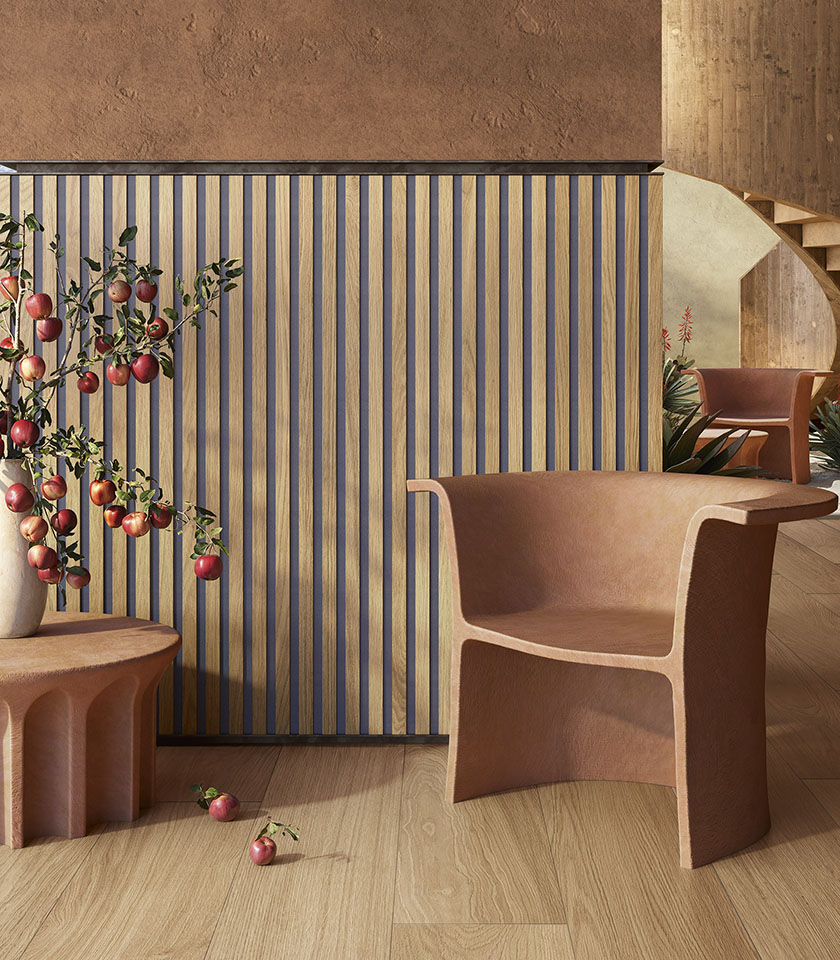
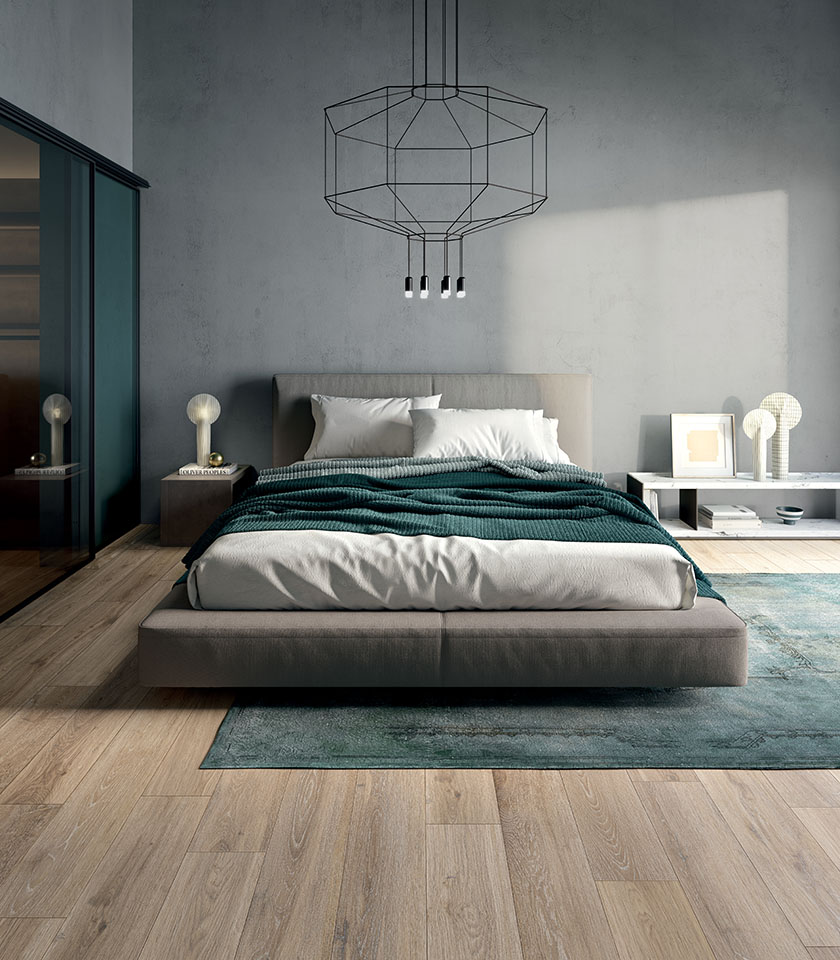
Let us start with the Japandi-style bedroom, the space that perhaps best expresses the pursuit of wellbeing, serenity and comfort shared by Japanese and Scandinavian interior design. Here, the essential design element is undoubtedly wood. Until just a few years ago, natural wood was virtually the only choice for anyone wishing to design this space according to the principles of the style. Today, however, that is no longer the case.
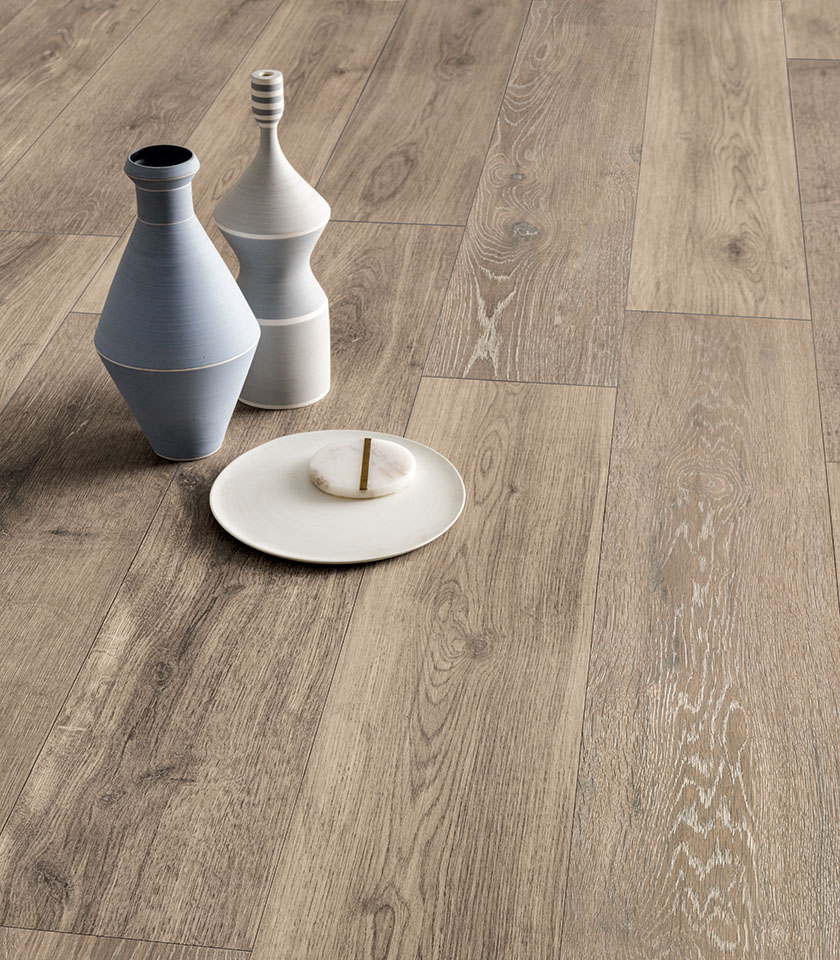
Wood-effect porcelain stoneware solutions can now match natural wood floors and wall coverings in terms of aesthetic appeal. In fact, they can reproduce a wide variety of fine woods, including species and inspirations from the Far East that may be difficult to source naturally. At the same time, the technical qualities of porcelain stoneware are superior in every respect, from strength and stability to durability, compared with any natural material..
For example, the Bio Attitude collection was designed to evoke a sense of authentic naturalness and capture the immediate appeal of oak flooring. This is achieved by combining dark and almost white grain patterns, typical of woods treated with natural waxes, like those found in traditional Japanese interiors. The natural character of the collection is further enhanced by its surface microstructure, which perfectly matches the high-resolution graphics: a touch of refined rusticity that creates an exceptional compositional balance.
As far as colours are concerned, the predominant shades in the bedroom are those typically associated with Japandi style: neutral, soft and pastel tones. The only more intense hues that tend to be used here are midnight blue, dark grey and, occasionally, black. Deep green can also punctuate the space, thanks in part to the many plants often found in Japandi interiors.
To create the right atmosphere in the sleeping area, natural light should fill the room through large windows. Its effect can be enhanced by the predominance of white in bed linen, curtains and walls.
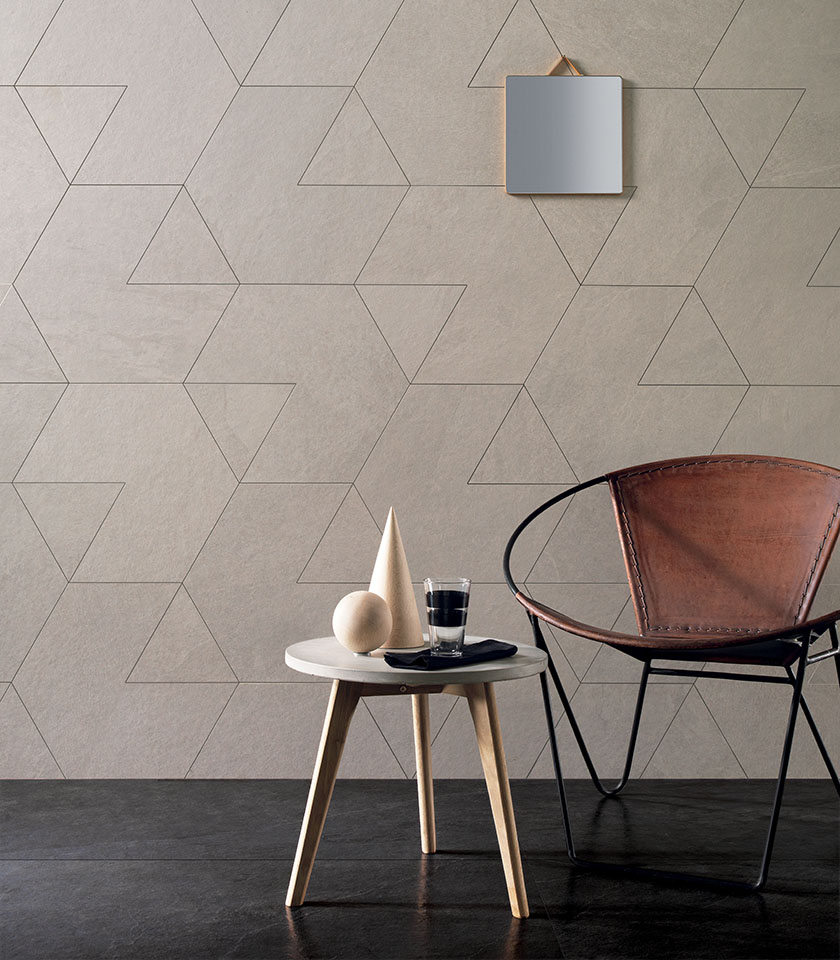
Furniture should be essential and never excessive in number, with a preference for designs featuring clean lines and minimalist forms. Traditional low Japanese furniture, such as tatami and futons, together with decorative elements like shoji screens and ikebana floral arrangements, can be combined with Scandinavian-style elements. Think, for example, of armchairs with wooden frames and comfortable textile upholstery, creating a truly dynamic and harmonious blend of the two cultures.
Ideas for a minimalist and elegant Japanese-style living room
As a space devoted to hospitality and relaxation, a Japandi-style living area should achieve a precise balance between furnishings and the colour palette of its surfaces. The first element to consider when designing a Japandi living room is therefore colour. The shades that best express this trend are neutral and enveloping tones: beige, taupe, cream, ivory and, more generally, neutral hues paired with white.
Wood effect also dominates this space, working across virtually every type of surface, from furniture to flooring. Parquet is therefore a perfect choice for a Japandi-style living room. But it is not the only option.
To recreate the immediate sense of authenticity that this style seeks, we can also draw on the appeal of the stone effect, as in the Waterfall collection. By reproducing on porcelain stoneware the shifting effects typical of sedimentary rocks, the collection evokes the natural oxidation process of stone, constantly evolving over time. The result is a surface that is not only striking and full of character, but also perfectly aligned with the Zen philosophy at the heart of Japandi style.
The furnishings should be few and essential, with simple lines but a clear sense of materiality that invites touch. Low sofas and armchairs are therefore ideal, recalling those typically found in Japanese homes, while featuring the comfortable upholstered seating more closely associated with the colder interiors of Northern Europe.
Wall-mounted furniture is also suitable, provided it is positioned low, as are sideboards and low coffee tables. According to Japanese tradition, choosing low furniture helps maintain a connection with one’s roots and with the earth. As a general design principle, every element should evoke ideas of serenity and naturalness, creating a sense of harmony with the rest of the space.
Japandi-style kitchen must-haves
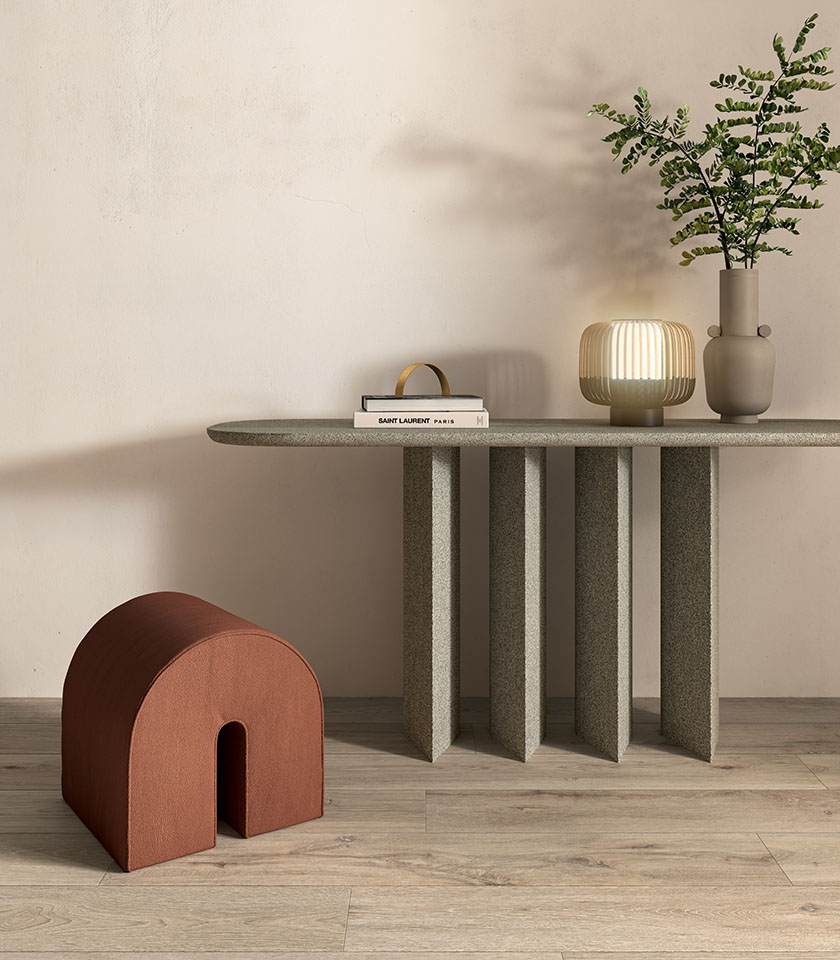
In a Japandi-style kitchen, wood effect is once again the starting point. It acts as a neutral base for the entire space, allowing other colours and materials to be introduced in a subtle way. Black and ochre yellow, for example, can be used as accent colours and paired with a naturally light wood effect, creating a striking yet understated result.
The qualities of porcelain stoneware tiles, which are resistant to impacts, liquids and temperature changes, make them an essential resource in the kitchen, also thanks to the exceptionally high level of hygiene they provide. They are perfect, for example, for creating a kitchen worktop with a wood effect or a parquet look that is far more resistant than natural wood.
This is the case with floors created using the Bio Select collection: a refined and faithful interpretation of classic wood species, offered in contemporary and balanced colours. Alongside its most natural textures, Bio Select also features a wide range of innovative decorative solutions that give everyday living spaces a unique character.
In Japandi-style kitchens, it is also essential to use sliding or concealed doors to hide appliances. This helps create a space that feels visually tidier and cleaner.
To bring the room even closer to this aesthetic, rice-paper lampshades, clay vases, wicker chairs, ceramics and plants can be added. The look can be completed by displaying selected ingredients, such as fruit and vegetables, which also work perfectly as decorative elements.
By subscribing to the newsletter, you will receive exclusive promotions dedicated to you.